A canceled flight can turn a dream vacation into an expensive nightmare. Here’s who may be responsible for your unexpected travel costs and when travel protection can help.
You have been planning your vacation for months. Your flights are booked, your hotel is paid for, and your bags are packed.
Then, just hours before departure, your airline sends a notification:
“Your flight has been canceled.”
Suddenly, you are trying to figure out how to get to your destination, where you will sleep, and how much this unexpected disruption is going to cost.
Will the airline pay for your hotel? What about meals? If the next available flight is tomorrow, who pays for the new ticket?
The answer depends on why your flight was canceled, what your airline promises to provide, and whether you purchased travel protection.
Does the Airline Have to Pay for Your Hotel and Meals?
Many travelers assume that airlines are legally required to cover every expense caused by a canceled flight. In the United States, that is not generally the case.
Airlines are not universally required to reimburse passengers for hotels, meals, or other expenses after every cancellation. However, airlines may have customer service commitments that provide accommodations or reimbursement when a disruption is within the airline’s control.
For example, an airline may have commitments covering certain hotel stays, meals, or transportation during qualifying disruptions caused by airline-related issues.
The important distinction is between what an airline is legally required to provide, what it has voluntarily committed to provide, and what your travel protection policy may cover.
The U.S. Department of Transportation provides information about airline commitments and passenger rights through its Aviation Consumer Protection resources.
1. Who Pays for Your New Flight?
When an airline cancels your flight, the airline may offer to rebook you on another flight. If you accept the rebooking, you may not need to purchase a replacement ticket yourself.
If the airline cannot offer a suitable alternative, you may have to consider other options, depending on your itinerary and the airline’s policies.
If you purchase a replacement flight independently, reimbursement is not automatic. You should first ask the airline what alternatives it can provide and whether it will cover any additional transportation costs.
What if You Don’t Want to Take the Rebooked Flight?
Under U.S. Department of Transportation rules, if an airline cancels your flight and you choose not to travel or accept an alternative offered by the airline, you are generally entitled to a refund of the ticket price.
That refund is different from reimbursement for a new flight you purchase on your own.
For example, if your original ticket cost $500 and you choose not to travel after the airline cancels your flight, you may be entitled to a $500 refund. That does not automatically mean the airline must pay for a $1,200 replacement ticket you buy elsewhere.
Before making a new booking, ask the airline about your options.
2. Who Pays for Your Hotel?
A canceled flight can leave you stranded overnight, especially if the next available departure is the following day.
Whether the airline pays for your hotel depends on the reason for the cancellation and the airline’s applicable policies or commitments.
Airline-Related Problems
If the cancellation is caused by an issue within the airline’s control, such as certain mechanical or operational problems, the airline may have commitments to provide hotel accommodations or reimbursement.
The exact benefits vary by airline and situation.
Weather and Other Circumstances Outside the Airline’s Control
Weather-related cancellations, air traffic control restrictions, and other circumstances outside the airline’s control may not qualify for hotel reimbursement under an airline’s customer service commitments.
This is where travelers can face unexpected expenses.
A hotel room that costs $200 or $300 may be a significant additional cost, especially when the cancellation occurs during a busy travel period.
How Travel Protection May Help
Depending on the policy, travel protection may provide trip delay benefits that reimburse eligible expenses such as:
- Hotel accommodations.
- Meals.
- Local transportation.
- Other necessary expenses during a covered delay.
Coverage limits, waiting periods, qualifying reasons, and documentation requirements vary by policy.
A policy may also require you to first seek reimbursement from the airline or another responsible party, depending on its terms.
3. Who Pays for Your Meals?
When your flight is canceled, you still need to eat. If you are stuck at the airport or forced to stay overnight, meal expenses can add up quickly.
Some airlines may provide meal vouchers or reimburse eligible meal expenses during qualifying disruptions. However, you should not assume that every cancellation qualifies.
Travel protection may cover eligible meals during a covered trip delay, subject to the policy’s requirements and limits.
For example, imagine your flight is canceled because of severe weather and you must stay overnight:
| Unexpected expense | Example cost |
|---|---|
| Hotel room | $225 |
| Dinner | $35 |
| Breakfast | $20 |
| Transportation | $25 |
| Total | $305 |
These are illustrative costs, not guaranteed reimbursements.
Without applicable airline assistance or travel protection, you may be responsible for the entire amount.
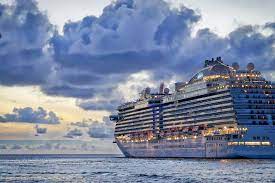
4. What If Your Flight Cancellation Causes You to Miss Your Cruise?
This is one of the most expensive scenarios travelers may face.
Imagine you booked a cruise departing from Miami. Your flight arrives the day before departure, giving you plenty of time to reach the port.
But your flight is canceled, and the next available flight arrives after the ship has already left.
Now you may be facing:
- A missed cruise departure.
- A nonrefundable cruise payment.
- A new flight to meet the ship at a later port.
- Additional hotel accommodations.
- Meals and transportation.
Whether any of these expenses are covered depends on the specific travel protection policy and the circumstances of the disruption.
Some policies offer benefits for missed connections, trip interruption, or other covered events. But coverage is not automatic, and exclusions may apply.
Travelers should review their policy before purchasing expensive nonrefundable travel arrangements.
5. What If You Have Travel Protection?
Travel protection may help cover certain unexpected expenses when a trip is disrupted for a covered reason.
Depending on the policy, relevant benefits may include:
Trip Delay Coverage
This benefit may reimburse eligible expenses when a covered delay lasts long enough to meet the policy’s requirements.
Potential expenses may include hotel accommodations, meals, and transportation.
Trip Interruption Coverage
If a covered event forces you to interrupt your trip, this benefit may reimburse certain unused prepaid expenses and additional transportation costs.
Trip Cancellation Coverage
If a covered event occurs before departure and you must cancel your trip, this benefit may reimburse eligible prepaid, nonrefundable expenses.
Missed Connection Coverage
Some policies provide benefits for certain missed connections, including situations involving transportation delays. The exact coverage depends on the policy.
Emergency Assistance
Some travel protection plans include assistance services that can help travelers navigate unexpected disruptions, locate medical providers, or coordinate travel arrangements.
Not every policy includes every benefit. Always review the actual policy terms.
6. Does Your Credit Card Cover a Canceled Flight?
Some credit cards offer travel-related benefits, including trip delay, trip cancellation, or trip interruption coverage.
However, these benefits often have specific eligibility requirements.
For example, a credit card may require you to have paid for the trip using that card or a qualifying combination of points and card payments. The policy may also have limits, exclusions, and documentation requirements.
Before relying on credit card travel protection, review the benefits guide associated with your card.
Having a credit card with travel benefits does not necessarily mean every canceled flight or hotel expense will be covered.
What Should You Do Immediately After Your Flight Is Canceled?
When your flight is canceled, taking the right steps can help you avoid unnecessary expenses and preserve your ability to file a claim.
Step 1: Contact the Airline
Ask why the flight was canceled and what rebooking options are available.
Step 2: Ask About Hotel and Meal Assistance
Find out whether the airline will provide vouchers, hotel accommodations, or reimbursement under its customer service commitments.
Step 3: Contact Your Travel Protection Provider
If you purchased travel protection, contact the provider or assistance service as soon as possible.
Ask what benefits may apply and whether you need authorization before booking a hotel or replacement transportation.
Step 4: Keep Every Receipt
Save receipts for hotels, meals, transportation, and replacement flights.
Also keep your original itinerary, cancellation notification, boarding passes, and communications with the airline.
Step 5: Do Not Assume Every Expense Is Covered
Before spending hundreds or thousands of dollars on a replacement flight or luxury hotel, confirm what the airline or travel protection provider may reimburse.
A claim can be affected by policy limits, exclusions, and whether the expense was reasonable and necessary under the circumstances.
Frequently Asked Questions
Does an airline have to pay for my hotel if my flight is canceled?
Not necessarily. Hotel reimbursement depends on the reason for the cancellation and the airline’s applicable policies or commitments. Travel protection may provide coverage for eligible delays.
Does travel insurance cover a canceled flight?
It may, depending on the reason for the cancellation and the policy’s covered events. Not every cancellation qualifies.
Will travel protection pay for a new flight?
Some policies may cover eligible additional transportation expenses following a covered trip interruption or delay. Coverage limits and conditions apply.
Can I get a refund if my airline cancels my flight?
Generally, under U.S. Department of Transportation rules, you are entitled to a refund if the airline cancels your flight and you choose not to travel or accept alternative compensation. The refund rules and available options depend on the circumstances.
Should I buy travel protection for a short domestic trip?
The decision depends on the cost of your trip, your tolerance for unexpected expenses, and the benefits available under the policy. Even a short trip can involve substantial nonrefundable expenses or transportation disruptions.
The Bottom Line
A canceled flight can cost much more than the price of your original airline ticket.
Hotels, meals, replacement transportation, and missed vacation arrangements can quickly add up. While airlines may provide assistance during certain disruptions, travelers should not assume that every expense will be reimbursed.
Travel protection may provide an additional layer of financial protection for eligible covered events.
Before your next trip, review your airline’s policies, understand your credit card benefits, and consider whether travel protection makes sense for your itinerary.